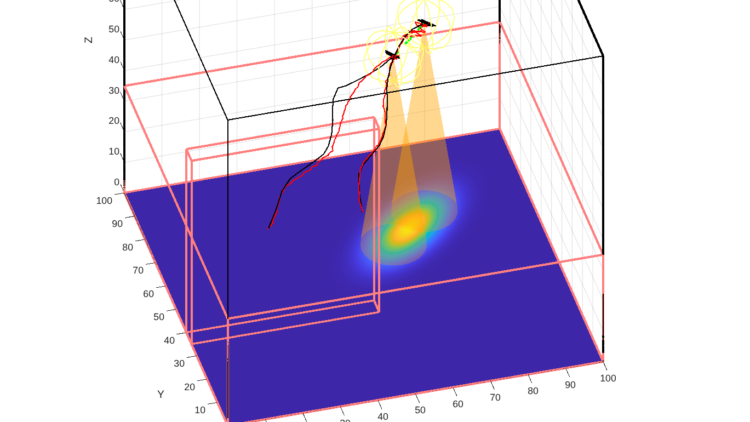
Multi-UAV Autonomous SDR Coordination Experiment on AERPAW
June 2026AERPAW's capabilities made it possible for our research to quickly go from simulations to real-world flight, giving us a unique opportunity to collect data in experiments that would have otherwise been immensely difficult to conduct.”
Research Scientist, University of California (Irvine)
Pushing the Limits: High-Speed UAV Experimentation and Deep Telemetry with AERPAW
April 2026AERPAW gave me the freedom to design and run complex UAV experiments at scale, with the kind of detailed data and support that’s hard to find anywhere else.”
Doctoral Researcher, Missouri University of S&T
Closing the Loop: Autonomous UAV Mission Design and Execution with AERPAW
April 2026Participating in the AERPAW challenge has been one of the most influential experiences of my graduate studies. It directly strengthened my research capabilities, broadened my technical perspective, and helped shape my future research direction in mobile wireless systems and autonomous networking.”
Graduate Researcher, University of Utah
Self-Healing UAV Swarms: Building Resilient 6G Networks with AERPAW
April 2026Quotation placeholder”
Associate Professor, North Carolina State University
Results
Learning to Fly Smarter: Reinforcement Learning for Adaptive UAV Data Collection with AERPAW
April 2026The AERPAW testbed and its digital twin have enabled the successful validation of various machine learning (ML) models in drone-assisted communication scenarios. For example, multiple ML models over Riemannian manifolds were successfully tested for uplink aerial link scheduling.”
Associate Professor, Florida International University
Results
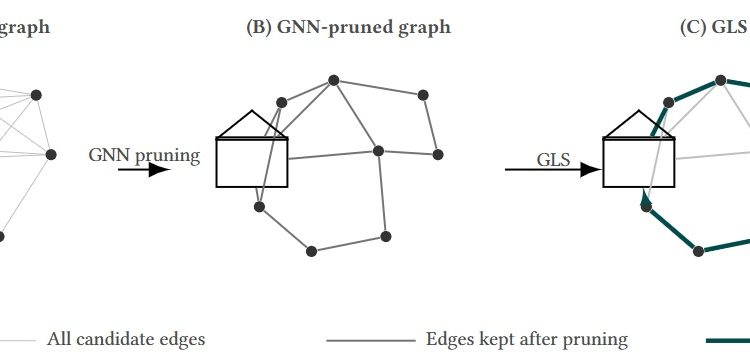
Edge Intelligence for Autonomous UAV Missions: Scalable Trajectory Planning with AERPAW
April 2026AERPAW allows us to validate our simulation study results in a realistic field testing setups, which has helped us to improve the technology readiness levels of our research products”
Professor, University of Missouri-Columbia
Results
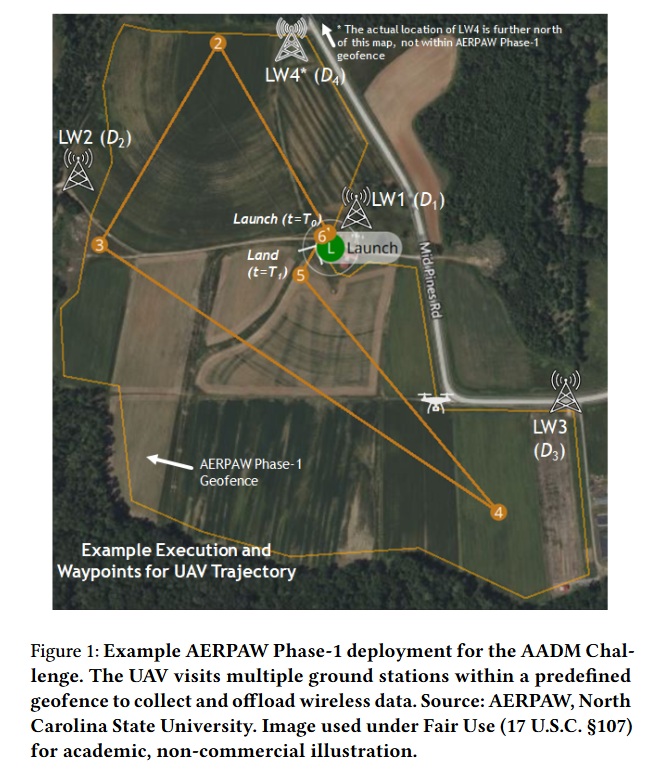
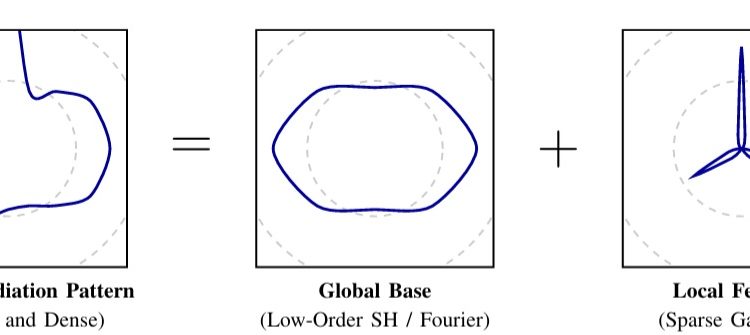
Revealing the Hidden Blind Spots in UAV Communications
April 2026As we go through customer discovery interviews for NSF I-Corps I am actively thinking about ways to further utilize the AERPAW platform and its datasets. Currently, the datasets related to either spectrum or UAV tracking/localization especially come into mind.”
PhD Candidate, Southern Methodist University
Results
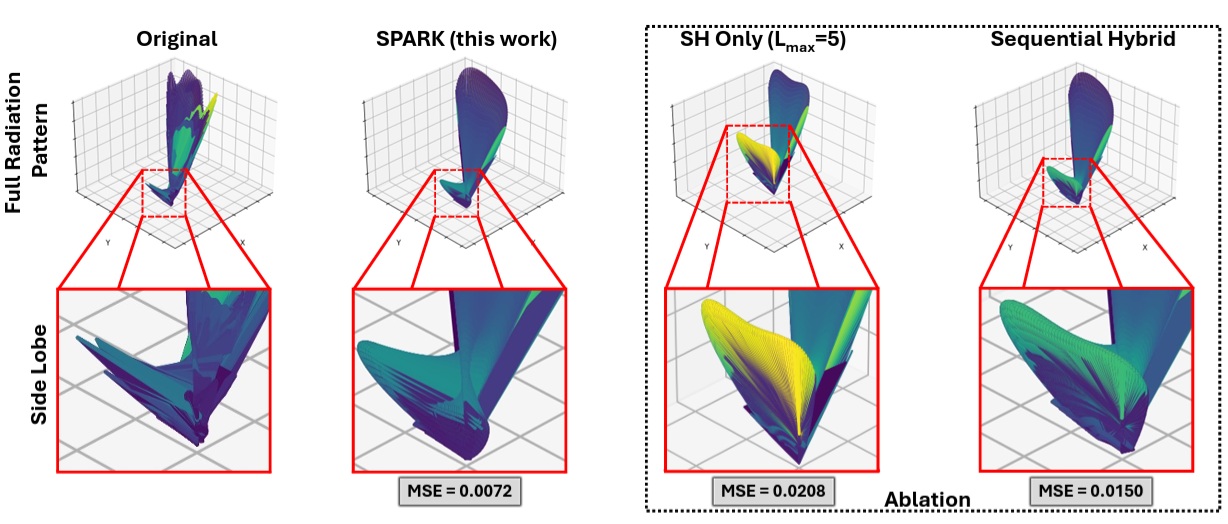
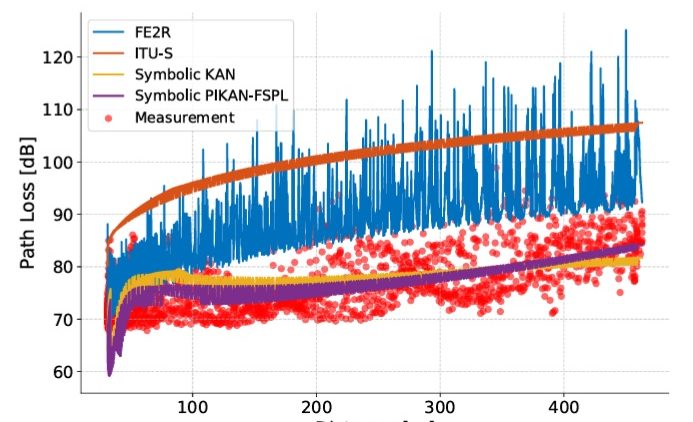
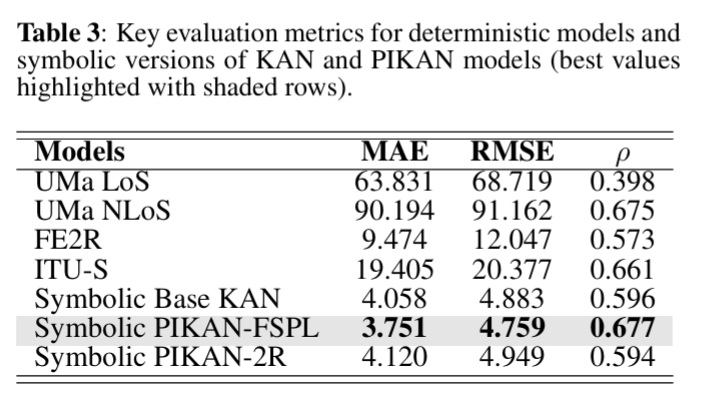
Making UAV Wireless Models Explainable: Bridging Physics and AI with AERPAW
April 2026AERPAW enables access to high-fidelity 3D air-to-ground channel data across different altitudes and trajectories, along with multi-protocol experimentation, which is essential for validating next-generation aerial and non-terrestrial networks, expanding to satellite constellations.”
Professor, Polytechnic Montreal
Results