From Detection to Tracking: ODC Demonstrates Phase 1B at AERPAW
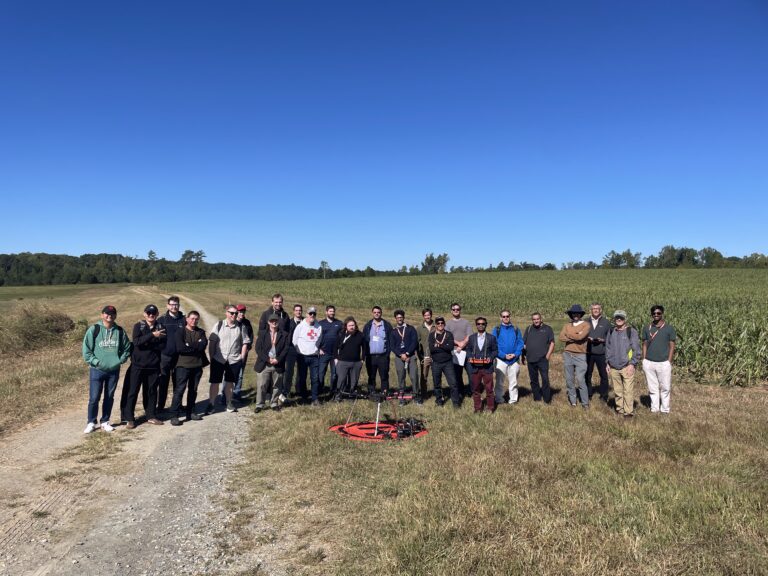
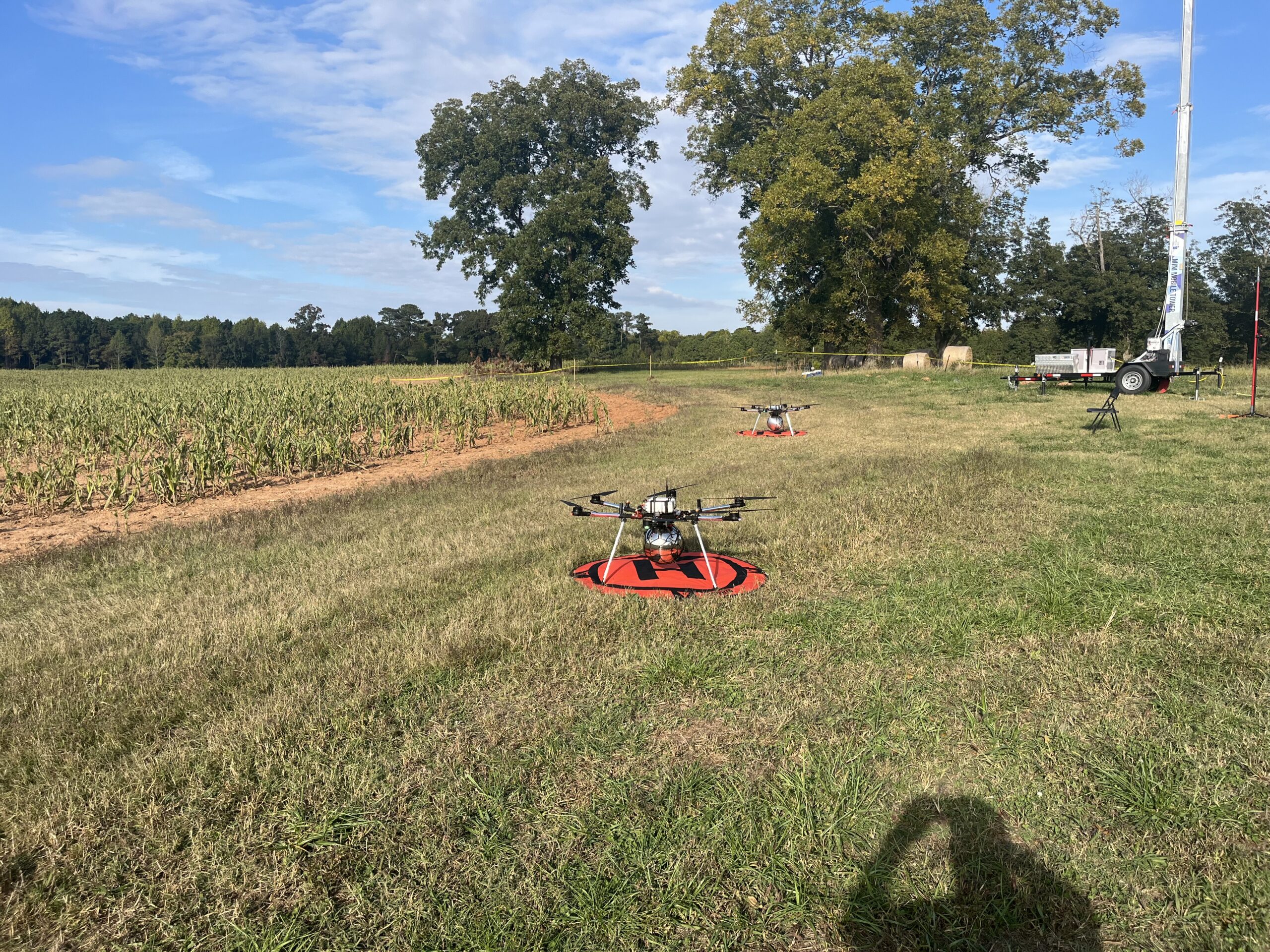
AERPAW recently hosted ODC’s Phase 1B demonstration, showcasing progress in 5G-based drone detection and tracking. Building on Phase 1A, where the team demonstrated the ability to detect drones, Phase 1B took things a step further by successfully tracking two drones at the same time and following their flight paths.
Using 5G Signals to Track Drones
ODC’s research explores how radio signals used for everyday wireless communications can also help detect and track objects in the air. By analyzing how these signals interact with objects in the surrounding environment, the team’s technology can identify flying objects and follow their movements.
One of the longer-term goals is to improve the system’s ability to tell the difference between drones and other objects, such as birds. This could help make future airspace monitoring more accurate and reliable.
Bringing Research into the Field
AERPAW provided the real-world testing environment for the demonstration, bringing together drone operations, wireless communications, and technical expertise. The collaboration between ODC and NC State University teams helped move the technology beyond the lab and test how it performs in real-world conditions.
What’s Next?
With Phase 1B demonstrating the ability to track two drones simultaneously, ODC’s next goal is to track an entire swarm of drones. This will introduce new challenges, including following multiple flight paths and keeping track of several drones at once.
The demonstration marks another important step toward exploring how existing 5G communication infrastructure could help monitor airspace and support future drone detection and tracking technologies.